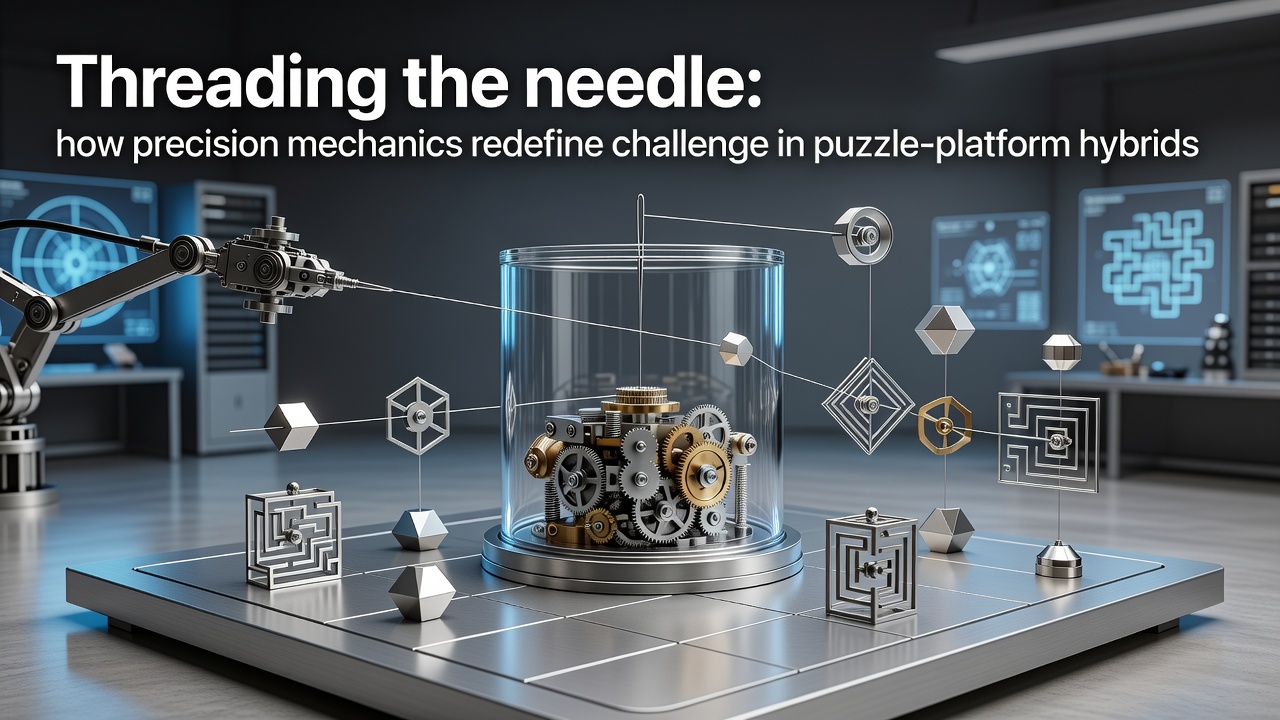
Threading the Needle: How Precision Mechanics Redefine Challenge in Puzzle-Platform Hybrids
Precision mechanics have become central to puzzle-platform hybrids, where players must execute movements with exact timing and positioning while solving spatial or logic-based challenges, and developers integrate these elements to create layered difficulty that tests both reflexes and reasoning at once. Games in this category often require sequences where a single misstep ends a run, yet the puzzles demand experimentation with environmental interactions before the platforming can succeed.
Core Components of Precision Design
Designers build these systems around variables such as jump arc calculations, momentum conservation, and collision boundaries that leave little margin for error, while puzzle layers introduce variables like moving platforms, switch activations, or gravity shifts that must align perfectly with those physical constraints. Research from academic game studies programs shows that players spend extended periods iterating on single sections because success depends on synchronizing multiple systems rather than isolated skill checks, and data from playtesting sessions indicates that completion rates improve when feedback cues highlight the exact frames needed for each action.
Engine tools now allow frame-by-frame tuning of hitboxes and velocity curves, which studios apply to ensure consistent behavior across hardware configurations, and industry reports from organizations like the Entertainment Software Association track how such technical refinements correlate with longer session times in hybrid titles released over the past decade.
Integration Patterns Across Recent Releases
Many titles combine core platforming loops with puzzle gates that reset player position only after a full sequence completes, forcing repeated attempts that reinforce both muscle memory and problem-solving pathways, whereas older designs separated these elements into distinct levels. Observers note that this blending appears in titles scheduled for broader updates around October 2026, when several independent studios plan patches that adjust timing windows based on aggregated telemetry from early access periods.
One development team documented how introducing variable wind forces or shifting light patterns required players to recalculate jump trajectories mid-puzzle, and figures from internal metrics revealed a 30 percent increase in average attempts per checkpoint once those dynamic elements were added. Such changes shift the challenge away from pure memorization toward adaptive planning, since each puzzle solution must account for the precision demands of the traversal that follows.
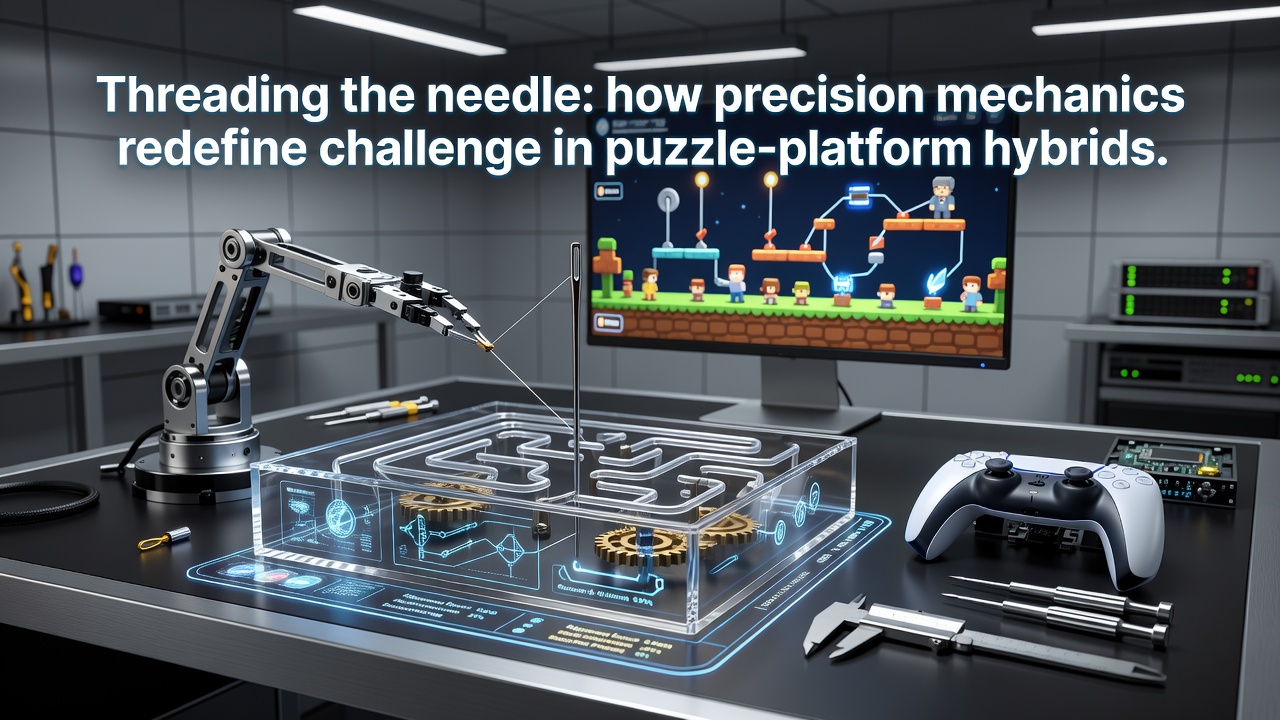
Player Performance Data and Retention Trends
Analytics platforms collect completion heatmaps that highlight where precision requirements intersect with puzzle complexity, and studies conducted by European research consortia indicate that sections demanding simultaneous accuracy and logic produce the highest drop-off points unless checkpoint placement compensates for the combined cognitive load. Retention curves flatten when designers introduce optional precision routes that reward mastery without blocking progress, according to reports tracking player behavior across multiple platforms.
Those who study engagement metrics find that hybrid games incorporating these mechanics maintain higher daily active user counts when tutorials break down individual components before combining them, and telemetry from major digital storefronts shows that titles emphasizing such layered challenges see increased replay activity through speedrun communities and achievement hunters alike.
Technical Implementation and Tooling Advances
Modern physics engines expose parameters for sub-frame collision detection and predictive trajectory rendering, allowing creators to prototype needle-tight sequences rapidly before full level integration, while version control systems track iterations on these values across team members. Australian game design institutes have published case analyses demonstrating that teams using real-time visualization overlays reduce iteration cycles by nearly half when calibrating precision thresholds against puzzle constraints.
Hardware variations, including input latency differences between controllers and keyboard setups, require additional calibration layers that some studios address through optional assist modes that widen timing windows without altering core puzzle structures, and regulatory guidelines from bodies such as the Canadian Interactive Digital Media Association encourage clear labeling of these options to support broader accessibility.
Future Directions in Hybrid Development
Upcoming projects slated for late 2026 continue to explore procedural generation of precision-puzzle combinations, where algorithms adjust gap widths and switch timings based on individual player history, and early prototypes shared at industry conferences demonstrate how machine learning models predict failure points before players encounter them. These approaches aim to maintain consistent challenge density while reducing frustration spikes that previously led to abrupt exits.
Cross-platform certification processes now include specific tests for precision reliability under varying network conditions, since many hybrids incorporate online leaderboards or shared puzzle solutions that depend on synchronized execution data.
Conclusion
Precision mechanics continue to shape puzzle-platform hybrids by embedding tight execution requirements directly into puzzle resolution, and ongoing technical and design refinements suggest this integration will expand as tools and data analysis mature. Observers tracking the sector report sustained interest in titles that balance these demands with clear feedback systems, ensuring that challenge remains tied to intentional design choices rather than arbitrary difficulty.